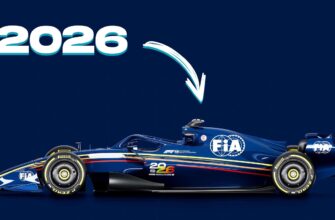

As the curtain falls on the current Formula 1 era, the spotlight pivots entirely toward 2026. This isn`t just a routine calendar turnover; it is a seismic shift in technical philosophy, characterized by regulatory changes so profound that they have been dubbed the `biggest ever` in the sport’s history. The mandate from the FIA is clear: prioritize sustainability, increase road relevance, and crucially, dismantle the current competitive hierarchy. In essence, F1 is tearing up the rulebook and starting fresh.
The 50/50 Power Paradox
The core of the 2026 regulation change resides within the power unit (PU). Since 2014, the sport has relied on complex turbo-hybrid systems, but the upcoming specifications introduce a radical rebalancing act: a perfect 50/50 split between the internal combustion engine (ICE) and electrical power.
While the familiar 1.6-liter V6 turbo architecture remains, the output reliance is dramatically skewed towards electricity, targeting nearly a 300 percent increase in electrical deployment. The crucial difference? The removal of the Motor Generator Unit – Heat (MGU-H). This component, known for its complexity and high costs, was responsible for converting exhaust heat into electrical energy—an engineering marvel that effectively rendered the turbo lag non-existent.
Its elimination simplifies the engine design, making it more accessible to new manufacturers (a key goal of the regulations). However, this simplification presents a colossal challenge for the engineers. Without the MGU-H bridging the energy gap, teams must now manage monumental electrical output under immense pressure. This technical tightrope walk guarantees one outcome, at least initially: significant disparity in power unit performance and a probable return to visible mechanical unreliability, particularly during the opening races. Designing a car to be quick under these parameters is one thing; making it last is another.
“It`s very hard to just say it`s about crank power, or battery, or heat rejection,” notes Andy Cowell, the chief strategist behind Mercedes` dominant hybrid era, highlighting the intricate compromises required. Every engineering minute now counts in this high-stakes race for performance and, perhaps more importantly, dependability.
Aerodynamics: Smaller, Lighter, Smarter
To compensate for the increased reliance on electrical harvesting—which adds weight—the chassis and aerodynamic rules will also undergo significant streamlining. The 2026 cars are slated to be smaller and lighter. The aim is to reduce overall drag, making the cars faster on straights, but also necessitating a fundamental rework of downforce generation.
One of the most controversial changes is the complete removal of the Drag Reduction System (DRS). Instead of a fixed wing element opening up for an overtake advantage, the cars will feature new forms of adjustable bodywork, including deployable wings on the straights to achieve maximum speed. The regulatory body hopes this will promote closer, more organic racing, but the practical effectiveness of these new solutions remains to be proven on track.
The Engine Manufacturer Landscape Reshapes
The commitment to road-relevant technology and simplified engineering has successfully attracted new blood, triggering a reshuffling of alliances and manufacturer commitments that promises a profound competitive shift.
Key among the changes is the arrival of **Audi**, entering the grid as a full manufacturer by taking over the existing Sauber team. The new regulations also solidified commitments from established giants, ensuring six power unit suppliers are registered: Ferrari, Mercedes, Renault, Honda, Audi, and Red Bull Powertrains.
The greatest variable, however, lies in Milton Keynes:
- Red Bull-Ford: After years of reliance on external partners, Red Bull will race with their own engine, developed in conjunction with Ford, forming Red Bull Powertrains. This is an ambitious venture for the reigning champions, one that could either cement their future dominance or lead to catastrophic early-season failures.
- Honda`s New Home: Honda, whose engines currently propel the dominant Red Bull team, will partner exclusively with **Aston Martin**. Given the recent strength and reliability of the Japanese power unit, Aston Martin enters 2026 with considerable optimism.
- Cadillac`s Debut: The newly approved entry, Cadillac, will rely on Ferrari power units and gearboxes until they are able to integrate their own engine hardware later in the regulation cycle.
F1 2026 Teams and Engine Partnerships (Confirmed)
| Team | Engine |
|---|---|
| McLaren | Mercedes |
| Mercedes | Mercedes |
| Red Bull | Red Bull-Ford |
| Ferrari | Ferrari |
| Williams | Mercedes |
| Haas | Ferrari |
| Aston Martin | Honda |
| Racing Bulls | Red Bull-Ford |
| Alpine | Mercedes |
| Audi | Audi |
| Cadillac | Ferrari (until 2028) |
The Looming Competitive Shake-Up
History dictates that sweeping rule changes breed new dynastic powers. Mercedes` successful navigation of the 2014 hybrid shift resulted in years of untouchable dominance. The 2026 revolution presents the same opportunity. Teams that master the integration of the complex 50/50 power split and the new low-drag aerodynamic philosophy first will likely set the competitive benchmark for the subsequent five seasons.
For the spectator, 2026 promises a season of maximum intrigue and volatility. While the technical goals are admirable—driving sustainability and attracting major manufacturers—the immediate consequence for racing may be a glorious mess of unpredictable results, unexpected frontrunners, and, inevitably, the sight of highly advanced machines grinding to a halt due to teething issues. The biggest gamble in motorsport is about to pay off—or explode spectacularly.