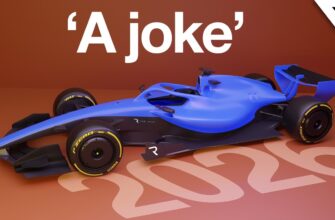

Formula 1 is known for its relentless pace of innovation, often tempered by restrictive regulations designed to keep the field competitive. However, the upcoming 2026 season promises an overhaul so radical that veteran commentators have dubbed it “the biggest ever.” This transformation is not merely cosmetic; it reshapes the fundamental physics of racing, replacing the long-standing Drag Reduction System (DRS) with intelligent energy management tools: **Overtake Mode** and **Active Aero** systems.
For over a decade, the push-to-pass simplicity of DRS has defined F1 overtaking. Now, the sport seeks a more nuanced, driver-centric challenge. The new technical regulations focus on lighter cars, a massive increase in electrical power, and dynamic aerodynamics that demand tactical mastery from every driver, every lap.
The End of DRS: Introducing the Overtake Mode
The infamous Drag Reduction System, introduced in 2011 to aid overtaking by opening the rear wing, is finally being retired. While it successfully generated more passes, critics often argued it made overtakes too artificial, turning high-speed battles into predictable straight-line exercises.
In its place arrives the Overtake Mode, a more integrated system tied directly to the drastically reconfigured power units. Just like DRS, this mode can only be activated when a driver is within one second of the car ahead at a predetermined detection zone. The key difference lies in the application: instead of passively reducing drag, Overtake Mode deploys a burst of enhanced electrical energy.
The precise duration and power available from the Overtake Mode remain subject to final FIA calibration, but the intent is clear: to give the chasing driver a quantifiable energy advantage. This shift moves the battle from a simple mechanical trick to a strategic energy chess match. Drivers will need to decide whether to expend their entire allowance in one swift move or spread the advantage across a corner sequence.
Active Aero: Aerodynamics on Demand
Perhaps the most significant mechanical shift for 2026 is the widespread adoption of **Active Aero**. For years, movable aerodynamic parts were a forbidden fruit in F1—seen as a dangerous complication. Now, they are mandatory.
The new F1 cars will feature active, moveable front and rear wings that drivers can adjust on every single lap. This is not just a high-speed gadget; it’s a constant trade-off. Drivers will be managing their wing profiles to strike a perfect balance:
- High Downforce Configuration: Required for stability and grip through tight cornering.
- Low Drag Configuration: Essential for maximizing straight-line speed (similar effect to the old DRS, but constantly managed by the driver).
This mandates continuous adjustment and precise technical knowledge from the driver. It requires not just knowing where to put the car, but knowing how to configure the car’s very shape for the next section of the track. The days of a fixed aerodynamic platform are over; the car itself will be a dynamic, evolving organism throughout the lap.
The Hybrid Evolution: Boost Mode and 50% Electric Power
Fuel consumption and efficiency are central to the 2026 regulations. The new power units will generate 50% of their total output from electrical energy, marking a monumental step toward hybridization. This powerful battery component feeds into the new tactical systems, including the general-purpose **Boost Mode**.
The Boost Mode, reminiscent of the KERS system utilized between 2009 and 2013, allows drivers to deploy maximum power from the engine and battery at any point during a lap. This is fundamentally different from the regulated Overtake Mode. It is a driver`s raw, tactical trump card—a burst of speed they can use to defend, attack, or simply manage tire and fuel consumption.
Driver Control: The New Challenge
The combination of these elements hands unprecedented control back to the cockpit. The driver must now master the complex interrelationship between mechanical grip, variable aerodynamic profiles, and finite electrical energy deployment. It moves the definition of a great driver beyond raw speed, demanding superior technical management and strategic foresight.
“I think you will see more overtakes next year, but more overtakes in obscure locations,” notes Mercedes driver George Russell. “If a driver’s at the bottom of their battery, and the one behind has more battery, they can suddenly jump past them at a corner in the past where there would never be an overtake. I think the 2026 regs will offer better racing.”
This prediction highlights the key shift: overtakes will no longer be confined to the end of a single, long straight. They could now occur anywhere—mid-corner, on a short exit—whenever an opposing driver mismanages their battery charge or aerodynamic setup.
A Technical Gamble for the Spectacle
F1’s governing body, the FIA, is betting that complexity translates directly into excitement. The outgoing DRS system was effective but blunt. The new setup—combining Active Aero, Overtake Mode, and Boost Mode within a powerful 50% hybrid framework—promises a continuous strategic battle. Teams will need to develop radical new energy management strategies, and drivers will need to exploit every sliver of available power and downforce.
The 2026 regulations represent the most profound technical shakeup in Formula 1 history. The era of the easily exploitable rear wing is ending, replaced by an intricate system that rewards technical intelligence and aggressive, yet measured, tactical execution.